


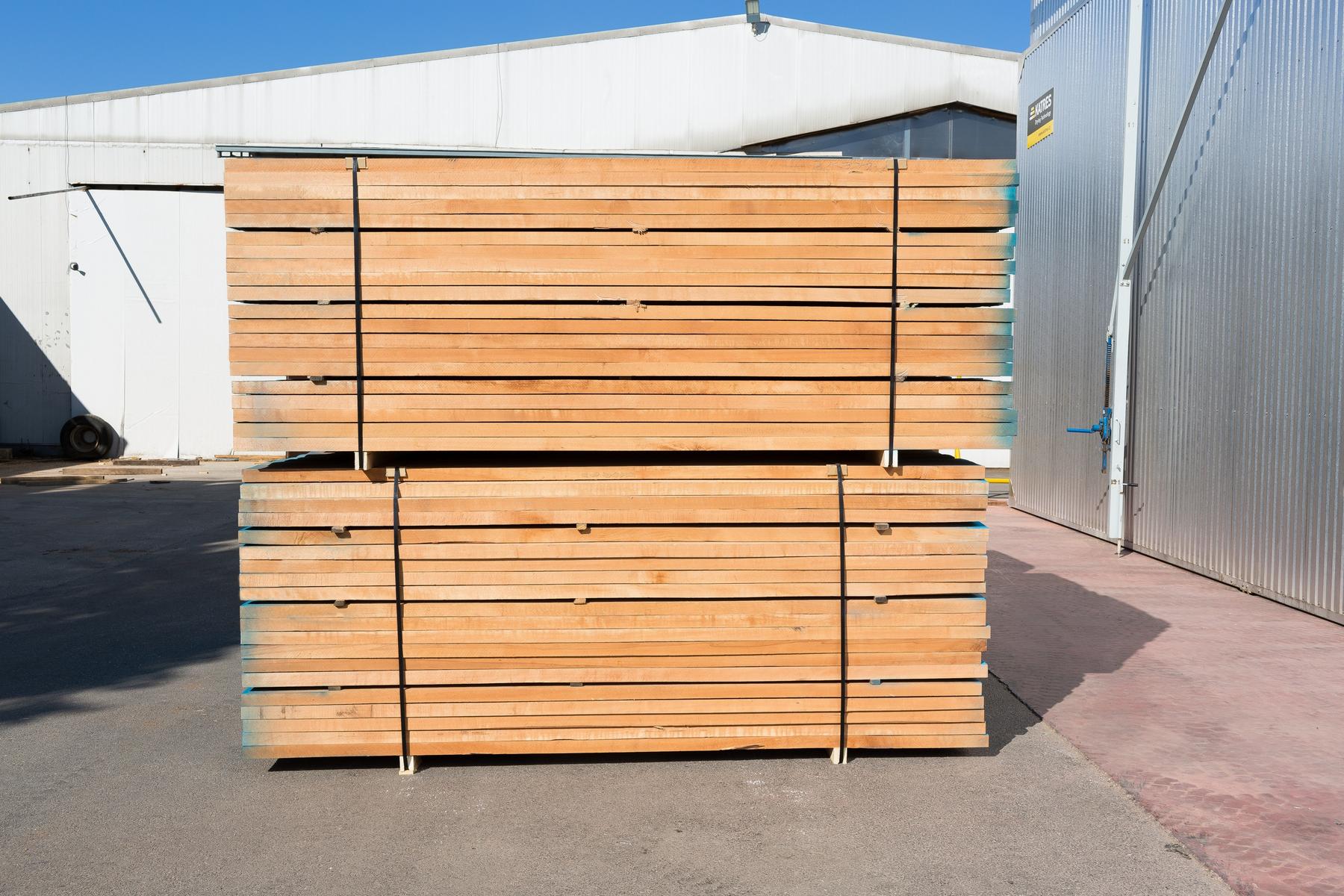
Lumbering refers to the process of processing and trading wood products and forest resources. While this industry has served people’s needs for centuries, it also has a huge impact on the environment. In this article, we will discuss important topics such as lumbering, how it works, why sustainability is important and what is its role in the future.
What is Lumbering?
Lumbering is an industry that involves cutting, processing, transporting and selling trees. This industry provides raw materials to many different sectors, such as wooden furniture, building materials, paper products and energy production. Lumbermaking is a major industry that employs millions of people and contributes to economies around the world.
Lumbering Process
Kerestecilik süreci, aşağıdaki ana adımları içerir:
- Tree Cutting
Timbering begins with cutting down trees. At this stage, suitable trees for wood products are selected and cut.
- Wood Processing
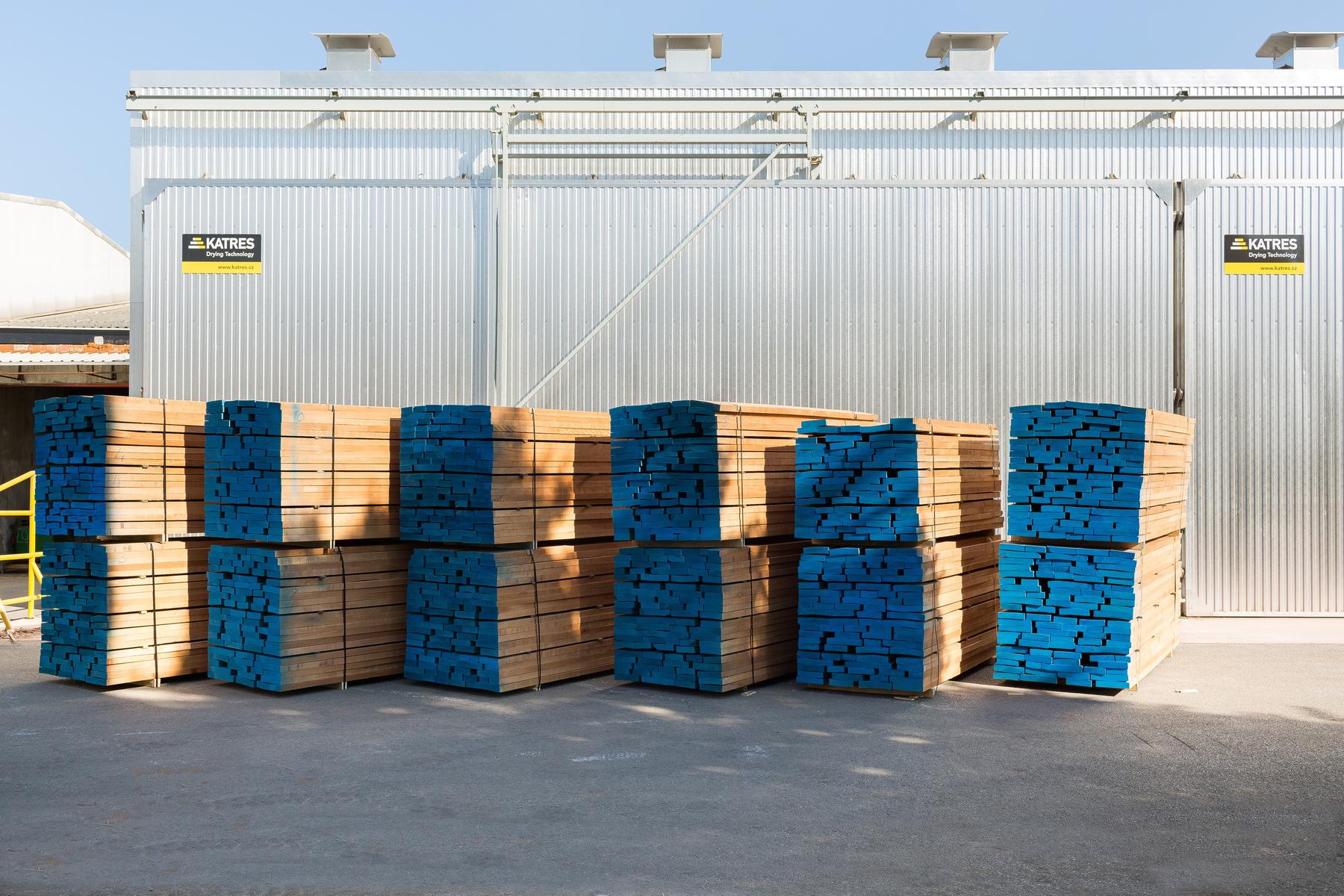
The cut trees are then transported to wood processing plants. In these facilities, wood is brought to the desired dimensions and shapes, dried and processed.
- Transport
Processed wood products are transported to distribution centers or customers. This stage of transportation ensures safe and effective transportation of wood products.
- Sales and Distribution
Finally, processed wood products are sold and delivered to various industries or consumers.
Why is Sustainable Lumbering Important?
Sustainable lumbering means protecting and sustainably using forest resources for future generations. Important reasons for this approach may be:
- Protection of Forests
Sustainable logging practices prevent excessive destruction of forests and preserve biodiversity.
- Sustainable Use of Resources
Sustainable lumbering prevents overuse of forest resources and offers future generations the opportunity to continue using resources.
- Social and Economic Contribution
Sustainable logging provides jobs to local communities and contributes to economies.
- Reducing Environmental Impacts
Sustainable lumbering practices can lower the carbon footprint by reducing environmental impacts.
Trees Used in Lumbering
The trees used in lumbering vary depending on climate and soil conditions. In general, trees such as hornbeam, oak, beech, poplar, spruce and pine are suitable for lumbering.
Methods Used in Lumbering
The methods used in lumbering vary depending on the size of the tree and its intended use. In general, the methods used in lumbering are as follows:
- Cutting: The process of splitting the trunk of a tree into two or more pieces.
- Cutting: It is the process of removing timber from the trunk of the tree.
- Drying: It is the process of reducing the moisture content of timber.
- Dyeing: It is the process performed to improve the aesthetic appearance of timber.
- Processing: The process of converting timber into various products.
Future Role
The future role of the lumbering industry is shaped by sustainability and technological developments. This industry must move towards less harm to the environment and conserving forest resources by focusing more on sustainable forest management practices. Additionally, technological innovations in lumbering will make production processes more efficient and improve waste management.
Conclusion:
Lumbering is an important source of raw materials for many industries and makes a significant contribution to the world economy. However, sustainable management and use of forest resources is critical. Sustainable lumbering practices will continue to contribute to the protection of forests, sustainable use of natural resources and social welfare. Therefore, the logging industry needs to operate in a more sustainable and environmentally friendly way in the future.