

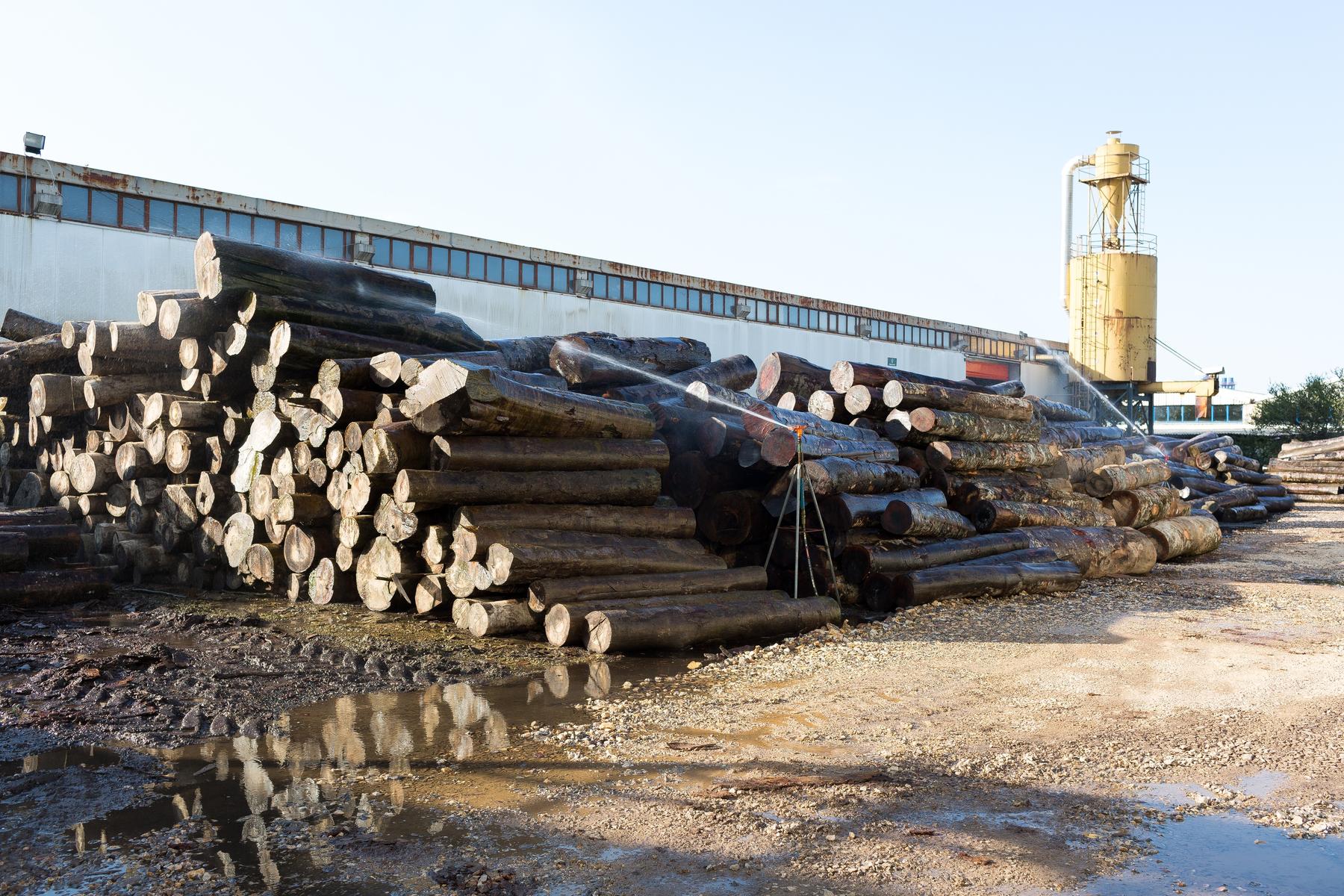
Log is defined as the directly cut and unprocessed form of wood. This forest product is used in many different industries, from building materials to furniture making. Sustainable management of forests is of great importance in preserving timber resources for future generations. In this article, we will discuss topics such as logging, what are its usage areas and why sustainable lumbering is important.
What is Log?
Logs are wood prepared for direct use after the trees are cut, without removing the bark on them. They are usually obtained from various types of trees and have a long, cylindrical shape. Logs, after being cut from forests, can be transported to sawmills or processing plants and broken into smaller pieces.
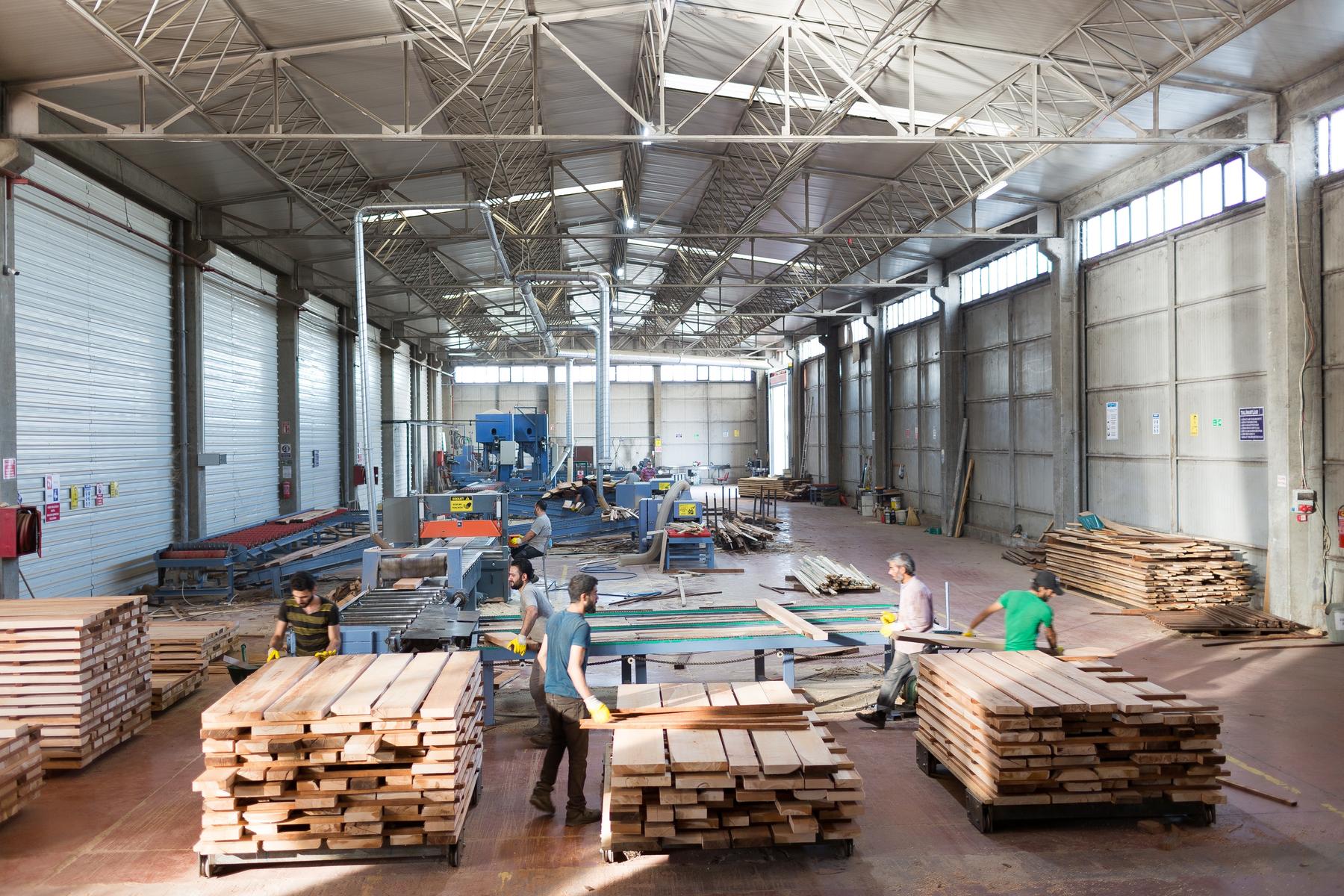 Log Usage Areas
Logs have a number of different uses:
1. Construction Materials
Logs are used in the construction industry to produce lumber and building materials. It forms the main components of many building elements such as wooden frames, floors, doors and windows.
2. Furniture Production
The most important material used in furniture production is logs. They are widely used for the production of wooden tables, chairs, cabinets and beds.
3. Wooden Floor
Logs are used in the construction of wooden floors used as flooring materials. They are preferred due to their natural appearance and durability.
4. Paper and Pulp Production
Logs are used as raw materials in the production of paper and cellulose. Paper products are produced in many different forms, from newspapers to cardboard.
5. Fuel
Dry and unprocessed logs can be used as wood fuel for energy production. This is a common practice for heating purposes, especially in rural areas.
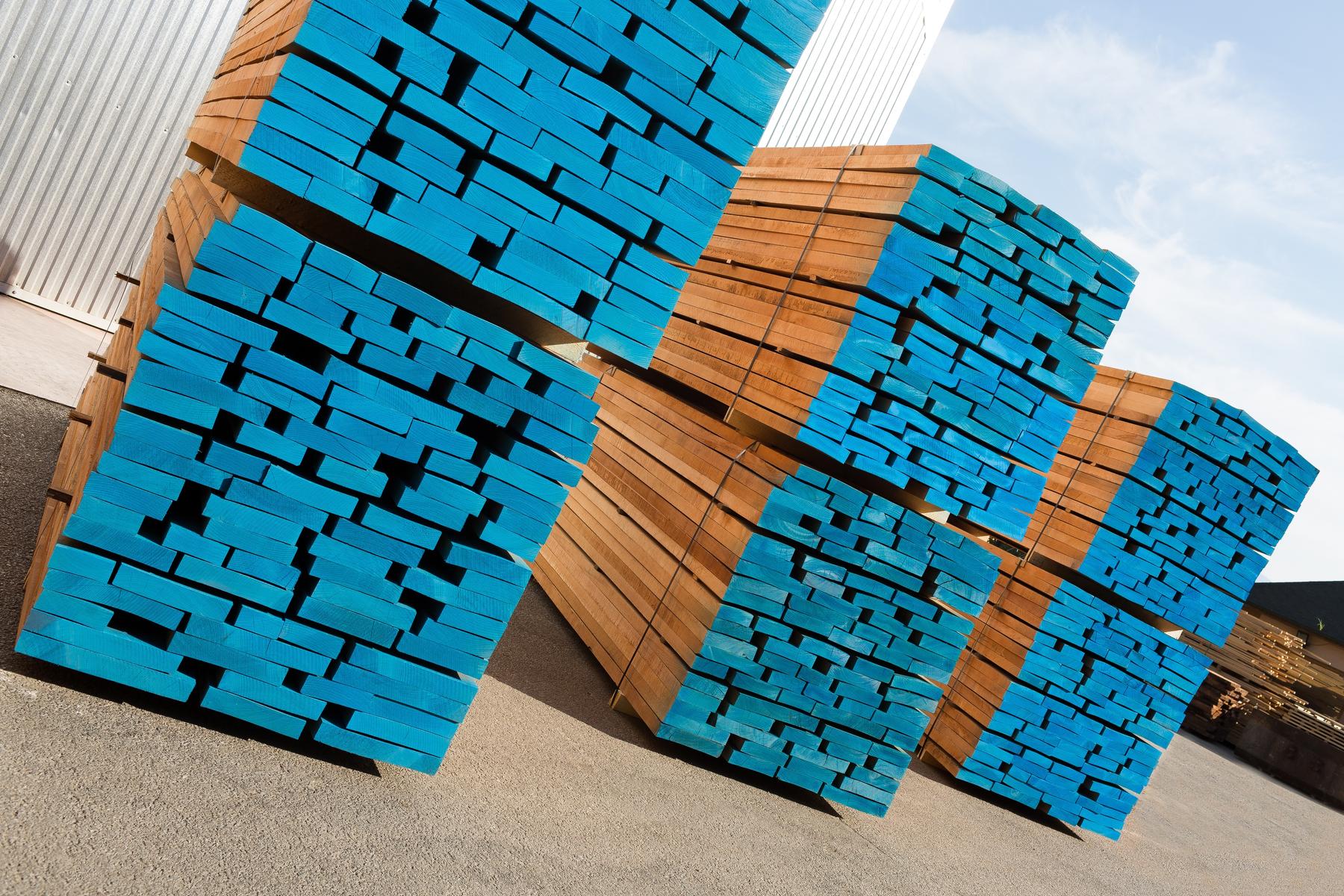
Sustainable Log Usage
Sustainable use of log resources is critical in protecting the health of forests and carrying the responsibility of protecting log resources for future generations. Sustainable log use may include:
1. Forest Management
For sustainable timber use, forests must be managed sustainably. This strikes a balance between felling trees, reforestation and protecting natural habitats.
2. Forest Monitoring
Regular monitoring of forests and setting limits on felling of trees helps maintain the health of forests and the sustainability of log resources.
3. Recycling and Waste Management
Recycling waste and by-products in Log processing plants enables more effective use of resources.
Log Types
Logs can be classified in various ways according to the tree from which they are obtained and their size. Log types are:
- Logs used in housing construction: These types of logs are generally obtained from trees such as hornbeam, oak, beech, poplar, spruce and pine.
- Logs used in furniture making: Such logs are usually obtained from hardwoods.
- Logs used in industrial applications: Such logs are usually obtained from softwoods.
Storage of Logs
Logs should be kept in appropriate conditions during storage. Things to consider when storing logs are as follows:
- Logs should be stored in a dry and airy place.
- Logs should be protected from direct sunlight.
- Logs must be protected against rotting.
Conclusion:
Logs are a valuable resource from nature and are used in many different industries. However, managing this resource sustainably is vital for protecting forests and transferring them to future generations. Sustainable use of log is an important step towards protecting the health of our forests and the world ecosystem. Therefore, forest management and the timber industry must operate by adhering to the principle of sustainability.