


In a world where energy resources are limited, the need for cleaner and sustainable energy sources is increasing. In this context, a renewable fuel type known as “pellet” is used to meet energy production and heating needs. has become an important alternative. In this article, we will examine what pellet fuel is, how it is produced and its areas of use.
What is Pellet?
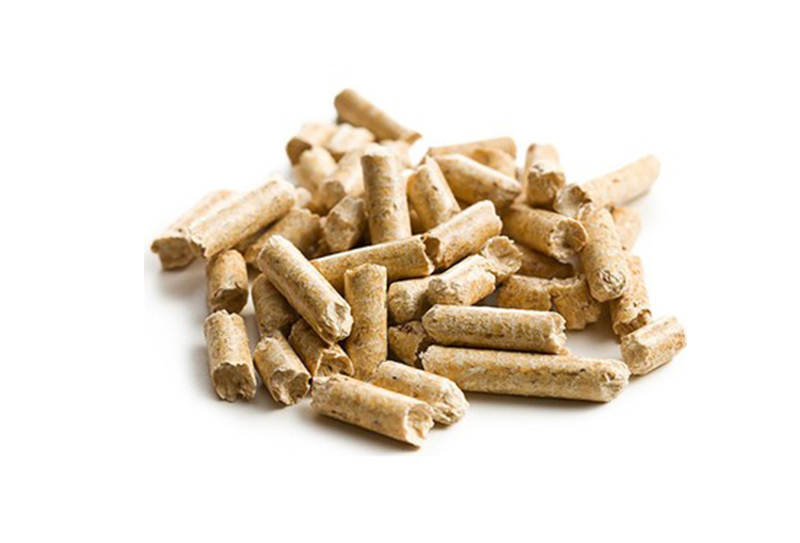
Pellet is a type of fuel obtained by grinding, drying and compressing biomass raw materials such as wood sawdust, straw, corn stalks and tree bark. Pellets are generally cylindrical or small box-shaped and are produced in standard sizes. This type of fuel is designed specifically for use in heating systems and energy production.

Pellet Production
The production of pellets involves the processing and compression of biomass raw materials. Here are the basic steps of this process:
- Preparation of Raw Material
Biomass raw material to be used for pellet production is prepared. At this stage, the raw material is dried and brought to the required size.
- Compression
The prepared raw material is fed into the compression machine. This machine allows the raw material to be compressed and converted into pellet form under high pressure.
- Cooling and Packaging
Newly formed pellets are usually rapidly cooled and then packaged in suitable packaging materials. This makes the pellets easier to store and transport.
Advantages of Pellets
The use of pellet fuel offers a number of advantages:
- Eco-Friendly
Pellets are a sustainable type of fuel that helps reduce carbon footprint. This type of fuel promotes the recycling of biomass feedstocks and produces fewer greenhouse gas emissions than fossil fuels.
- High Efficiency
Pellet fuel has a high energy density and therefore provides high efficiency for energy production and heating.
- Easy Portability
Thanks to their small size, pellets are a type of fuel that is easy to store and transport. This facilitates its use in energy production facilities and individual heating systems.
- Cost Effective
Pellet fuel is affordable in many places and can reduce energy costs in the long run.
Pellet Disadvantages
Pellet has the following disadvantages:
- Its price is higher than other fuels.
- It requires special heating devices such as pellet stoves and boilers.
Pellet Usage Areas
Pellets are used in a number of different application areas:
- Heating Systems
Pellets are widely used in heating systems used in homes and workplaces. Pellet stoves and boilers offer homeowners a sustainable heating option.
- Energy production
Many power generation facilities use pellet fuel to generate electricity and heat. This contributes to the production of clean energy.
- Industrial Applications
Pellets are used in industrial processes and in the production of products. It is especially ideal for industrial works requiring heat treatment.
Conclusion:
Pellets are a clean, sustainable and energy efficient fuel type. It offers an effective solution to meet energy production and heating needs while promoting the reuse of biomass raw materials. Pellets seem to continue to gain more importance in the field of energy production and heating in the future, because they offer advantages in terms of both the environment and economy.